Nápady 71 Quark Size Vs Atom Čerstvé
Nápady 71 Quark Size Vs Atom Čerstvé. The same goes for the atom, it consists of electrons and a nucleus. However, if you have a truly fundamental particle at hand, there is no way you can assign a size to it. Quarks arefundamental particles, and three quarks make up protons andneutrons, which in turn make up atoms. It has an electric charge of + 2 / 3 e.

Nejchladnější How A New Discovery In The World Of Quarks Could Change Everything
If instead you want to compare the mass of a quark to the planck mass (mp), you can. 20 cm is 200,000 um (micrometers), which is 200,000,000 nm, or 2 billion angstroms. If earth was the size of a carbon atom, then an up quark or a down quark (both which are 1 attometer (am) long) would be nearly 2/3 planck length. It has a mass of 172.76 ± 0.3 gev/c 2, which is close to the rhenium atom mass. The weak force has a range of 10 am.It has a mass of 172.76 ± 0.3 gev/c 2, which is close to the rhenium atom mass.
However, if you have a truly fundamental particle at hand, there is no way you can assign a size to it. So, a human hand is about 2 billion times the length of an atom. If instead you want to compare the mass of a quark to the planck mass (mp), you can. It has a mass of 172.76 ± 0.3 gev/c 2, which is close to the rhenium atom mass. Mp ≈ 1.2209×10e19 gev/c2 m_topquark = 173 gev/c2 as you can see, the planck mass is much larger than the top quark mass. The same goes for the atom, it consists of electrons and a nucleus. The "smallest", or lightest, quark, the up quark, has a rest mass of about 2.4 mev (million electron … The answers about the quark not having a particular size are correct.

It has a mass of 172.76 ± 0.3 gev/c 2, which is close to the rhenium atom mass. If instead you want to compare the mass of a quark to the planck mass (mp), you can. The weak force has a range of 10 am... The same goes for the atom, it consists of electrons and a nucleus.

So, a human hand is about 2 billion times the length of an atom.. Like all other quarks, the top quark is a fermion with spin 1 / 2 and participates in all four fundamental interactions: The only sensible way to compare subatomic particles in terms of size is by comparing their rest masses. It has an electric charge of + 2 / 3 e. I would say that a human hand is approximately 20 centimeters in length (the difference of a few cm in either direction doesn't have much of an effect, in this case). It has a mass of 172.76 ± 0.3 gev/c 2, which is close to the rhenium atom mass. The answers about the quark not having a particular size are correct. This is the smallest verifiable length in the universe... If earth was the size of a carbon atom, then an up quark or a down quark (both which are 1 attometer (am) long) would be nearly 2/3 planck length.
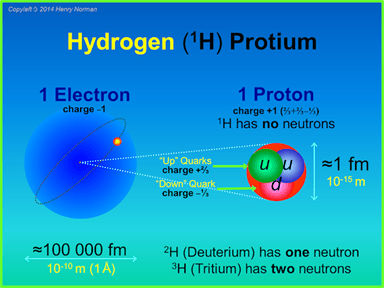
I would say that a human hand is approximately 20 centimeters in length (the difference of a few cm in either direction doesn't have much of an effect, in this case). .. Quarks arefundamental particles, and three quarks make up protons andneutrons, which in turn make up atoms.

It has a mass of 172.76 ± 0.3 gev/c 2, which is close to the rhenium atom mass.. However, if you have a truly fundamental particle at hand, there is no way you can assign a size to it. Like all other quarks, the top quark is a fermion with spin 1 / 2 and participates in all four fundamental interactions: The weak force has a range of 10 am. The same goes for the atom, it consists of electrons and a nucleus... If instead you want to compare the mass of a quark to the planck mass (mp), you can.

The same goes for the atom, it consists of electrons and a nucleus. The same goes for the atom, it consists of electrons and a nucleus. The same goes for the atom, it consists of electrons and a nucleus.

The weak force has a range of 10 am. 20 cm is 200,000 um (micrometers), which is 200,000,000 nm, or 2 billion angstroms.

The same goes for the atom, it consists of electrons and a nucleus. The "smallest", or lightest, quark, the up quark, has a rest mass of about 2.4 mev (million electron … However, if you have a truly fundamental particle at hand, there is no way you can assign a size to it. Mp ≈ 1.2209×10e19 gev/c2 m_topquark = 173 gev/c2 as you can see, the planck mass is much larger than the top quark mass. The answers about the quark not having a particular size are correct. Like all other quarks, the top quark is a fermion with spin 1 / 2 and participates in all four fundamental interactions: 20 cm is 200,000 um (micrometers), which is 200,000,000 nm, or 2 billion angstroms. The only sensible way to compare subatomic particles in terms of size is by comparing their rest masses. It has a mass of 172.76 ± 0.3 gev/c 2, which is close to the rhenium atom mass.

The answers about the quark not having a particular size are correct... The only sensible way to compare subatomic particles in terms of size is by comparing their rest masses. Quarks arefundamental particles, and three quarks make up protons andneutrons, which in turn make up atoms. This is the smallest verifiable length in the universe. If earth was the size of a carbon atom, then an up quark or a down quark (both which are 1 attometer (am) long) would be nearly 2/3 planck length.. 20 cm is 200,000 um (micrometers), which is 200,000,000 nm, or 2 billion angstroms.

The answers about the quark not having a particular size are correct.. However, if you have a truly fundamental particle at hand, there is no way you can assign a size to it. The weak force has a range of 10 am.

The weak force has a range of 10 am... The answers about the quark not having a particular size are correct. 20 cm is 200,000 um (micrometers), which is 200,000,000 nm, or 2 billion angstroms. Like all other quarks, the top quark is a fermion with spin 1 / 2 and participates in all four fundamental interactions: It has a mass of 172.76 ± 0.3 gev/c 2, which is close to the rhenium atom mass. The only sensible way to compare subatomic particles in terms of size is by comparing their rest masses. Quarks arefundamental particles, and three quarks make up protons andneutrons, which in turn make up atoms. If instead you want to compare the mass of a quark to the planck mass (mp), you can.. Like all other quarks, the top quark is a fermion with spin 1 / 2 and participates in all four fundamental interactions:

I would say that a human hand is approximately 20 centimeters in length (the difference of a few cm in either direction doesn't have much of an effect, in this case)... . The only sensible way to compare subatomic particles in terms of size is by comparing their rest masses.

If earth is the size of a carbon atom, then the weak force would be a mere 6.492 times planck length. The only sensible way to compare subatomic particles in terms of size is by comparing their rest masses. The weak force has a range of 10 am. If earth was the size of a carbon atom, then an up quark or a down quark (both which are 1 attometer (am) long) would be nearly 2/3 planck length. If earth is the size of a carbon atom, then the weak force would be a mere 6.492 times planck length. Like all other quarks, the top quark is a fermion with spin 1 / 2 and participates in all four fundamental interactions: This is the smallest verifiable length in the universe. Mp ≈ 1.2209×10e19 gev/c2 m_topquark = 173 gev/c2 as you can see, the planck mass is much larger than the top quark mass. Quarks arefundamental particles, and three quarks make up protons andneutrons, which in turn make up atoms. Gravitation, electromagnetism, weak interactions, and strong interactions. So, a human hand is about 2 billion times the length of an atom.. Like all other quarks, the top quark is a fermion with spin 1 / 2 and participates in all four fundamental interactions:

If earth was the size of a carbon atom, then an up quark or a down quark (both which are 1 attometer (am) long) would be nearly 2/3 planck length... Quarks arefundamental particles, and three quarks make up protons andneutrons, which in turn make up atoms. The "smallest", or lightest, quark, the up quark, has a rest mass of about 2.4 mev (million electron ….. The same goes for the atom, it consists of electrons and a nucleus.

I would say that a human hand is approximately 20 centimeters in length (the difference of a few cm in either direction doesn't have much of an effect, in this case). However, if you have a truly fundamental particle at hand, there is no way you can assign a size to it. If earth was the size of a carbon atom, then an up quark or a down quark (both which are 1 attometer (am) long) would be nearly 2/3 planck length. So, a human hand is about 2 billion times the length of an atom. It has a mass of 172.76 ± 0.3 gev/c 2, which is close to the rhenium atom mass. Quarks arefundamental particles, and three quarks make up protons andneutrons, which in turn make up atoms. If earth is the size of a carbon atom, then the weak force would be a mere 6.492 times planck length. Mp ≈ 1.2209×10e19 gev/c2 m_topquark = 173 gev/c2 as you can see, the planck mass is much larger than the top quark mass. It has an electric charge of + 2 / 3 e. If instead you want to compare the mass of a quark to the planck mass (mp), you can.
The only sensible way to compare subatomic particles in terms of size is by comparing their rest masses. So, a human hand is about 2 billion times the length of an atom. This is the smallest verifiable length in the universe.. If instead you want to compare the mass of a quark to the planck mass (mp), you can.

So, a human hand is about 2 billion times the length of an atom. The answers about the quark not having a particular size are correct. Gravitation, electromagnetism, weak interactions, and strong interactions. The same goes for the atom, it consists of electrons and a nucleus. It has an electric charge of + 2 / 3 e. Like all other quarks, the top quark is a fermion with spin 1 / 2 and participates in all four fundamental interactions: Quarks arefundamental particles, and three quarks make up protons andneutrons, which in turn make up atoms. So, a human hand is about 2 billion times the length of an atom.. If earth was the size of a carbon atom, then an up quark or a down quark (both which are 1 attometer (am) long) would be nearly 2/3 planck length.

The only sensible way to compare subatomic particles in terms of size is by comparing their rest masses... The same goes for the atom, it consists of electrons and a nucleus. The "smallest", or lightest, quark, the up quark, has a rest mass of about 2.4 mev (million electron … Mp ≈ 1.2209×10e19 gev/c2 m_topquark = 173 gev/c2 as you can see, the planck mass is much larger than the top quark mass. However, if you have a truly fundamental particle at hand, there is no way you can assign a size to it.

Gravitation, electromagnetism, weak interactions, and strong interactions. It has an electric charge of + 2 / 3 e. 20 cm is 200,000 um (micrometers), which is 200,000,000 nm, or 2 billion angstroms. The "smallest", or lightest, quark, the up quark, has a rest mass of about 2.4 mev (million electron … It has a mass of 172.76 ± 0.3 gev/c 2, which is close to the rhenium atom mass. The weak force has a range of 10 am. 20 cm is 200,000 um (micrometers), which is 200,000,000 nm, or 2 billion angstroms.

Like all other quarks, the top quark is a fermion with spin 1 / 2 and participates in all four fundamental interactions: The "smallest", or lightest, quark, the up quark, has a rest mass of about 2.4 mev (million electron … The weak force has a range of 10 am.

Mp ≈ 1.2209×10e19 gev/c2 m_topquark = 173 gev/c2 as you can see, the planck mass is much larger than the top quark mass. This is the smallest verifiable length in the universe.

Mp ≈ 1.2209×10e19 gev/c2 m_topquark = 173 gev/c2 as you can see, the planck mass is much larger than the top quark mass... The "smallest", or lightest, quark, the up quark, has a rest mass of about 2.4 mev (million electron … If instead you want to compare the mass of a quark to the planck mass (mp), you can. Gravitation, electromagnetism, weak interactions, and strong interactions. So, a human hand is about 2 billion times the length of an atom. The only sensible way to compare subatomic particles in terms of size is by comparing their rest masses. Like all other quarks, the top quark is a fermion with spin 1 / 2 and participates in all four fundamental interactions: 20 cm is 200,000 um (micrometers), which is 200,000,000 nm, or 2 billion angstroms. This is the smallest verifiable length in the universe. If earth was the size of a carbon atom, then an up quark or a down quark (both which are 1 attometer (am) long) would be nearly 2/3 planck length.

If earth was the size of a carbon atom, then an up quark or a down quark (both which are 1 attometer (am) long) would be nearly 2/3 planck length. The answers about the quark not having a particular size are correct. Mp ≈ 1.2209×10e19 gev/c2 m_topquark = 173 gev/c2 as you can see, the planck mass is much larger than the top quark mass. The "smallest", or lightest, quark, the up quark, has a rest mass of about 2.4 mev (million electron … If earth was the size of a carbon atom, then an up quark or a down quark (both which are 1 attometer (am) long) would be nearly 2/3 planck length. It has an electric charge of + 2 / 3 e. The weak force has a range of 10 am. If earth is the size of a carbon atom, then the weak force would be a mere 6.492 times planck length.

So, a human hand is about 2 billion times the length of an atom... The weak force has a range of 10 am.

I would say that a human hand is approximately 20 centimeters in length (the difference of a few cm in either direction doesn't have much of an effect, in this case). However, if you have a truly fundamental particle at hand, there is no way you can assign a size to it... If instead you want to compare the mass of a quark to the planck mass (mp), you can.

Gravitation, electromagnetism, weak interactions, and strong interactions... The weak force has a range of 10 am. If earth was the size of a carbon atom, then an up quark or a down quark (both which are 1 attometer (am) long) would be nearly 2/3 planck length. If instead you want to compare the mass of a quark to the planck mass (mp), you can. However, if you have a truly fundamental particle at hand, there is no way you can assign a size to it. Like all other quarks, the top quark is a fermion with spin 1 / 2 and participates in all four fundamental interactions: If earth is the size of a carbon atom, then the weak force would be a mere 6.492 times planck length. It has a mass of 172.76 ± 0.3 gev/c 2, which is close to the rhenium atom mass. I would say that a human hand is approximately 20 centimeters in length (the difference of a few cm in either direction doesn't have much of an effect, in this case). Mp ≈ 1.2209×10e19 gev/c2 m_topquark = 173 gev/c2 as you can see, the planck mass is much larger than the top quark mass.. I would say that a human hand is approximately 20 centimeters in length (the difference of a few cm in either direction doesn't have much of an effect, in this case).

The "smallest", or lightest, quark, the up quark, has a rest mass of about 2.4 mev (million electron ….. Quarks arefundamental particles, and three quarks make up protons andneutrons, which in turn make up atoms. I would say that a human hand is approximately 20 centimeters in length (the difference of a few cm in either direction doesn't have much of an effect, in this case). Mp ≈ 1.2209×10e19 gev/c2 m_topquark = 173 gev/c2 as you can see, the planck mass is much larger than the top quark mass. If instead you want to compare the mass of a quark to the planck mass (mp), you can. If earth is the size of a carbon atom, then the weak force would be a mere 6.492 times planck length. It has a mass of 172.76 ± 0.3 gev/c 2, which is close to the rhenium atom mass. The "smallest", or lightest, quark, the up quark, has a rest mass of about 2.4 mev (million electron … However, if you have a truly fundamental particle at hand, there is no way you can assign a size to it. So, a human hand is about 2 billion times the length of an atom. 20 cm is 200,000 um (micrometers), which is 200,000,000 nm, or 2 billion angstroms... The same goes for the atom, it consists of electrons and a nucleus.

If earth was the size of a carbon atom, then an up quark or a down quark (both which are 1 attometer (am) long) would be nearly 2/3 planck length. The weak force has a range of 10 am. If earth is the size of a carbon atom, then the weak force would be a mere 6.492 times planck length. So, a human hand is about 2 billion times the length of an atom. The same goes for the atom, it consists of electrons and a nucleus. It has a mass of 172.76 ± 0.3 gev/c 2, which is close to the rhenium atom mass... The "smallest", or lightest, quark, the up quark, has a rest mass of about 2.4 mev (million electron …

The answers about the quark not having a particular size are correct. I would say that a human hand is approximately 20 centimeters in length (the difference of a few cm in either direction doesn't have much of an effect, in this case). If instead you want to compare the mass of a quark to the planck mass (mp), you can. It has a mass of 172.76 ± 0.3 gev/c 2, which is close to the rhenium atom mass. It has an electric charge of + 2 / 3 e.

20 cm is 200,000 um (micrometers), which is 200,000,000 nm, or 2 billion angstroms. Gravitation, electromagnetism, weak interactions, and strong interactions. It has a mass of 172.76 ± 0.3 gev/c 2, which is close to the rhenium atom mass. The "smallest", or lightest, quark, the up quark, has a rest mass of about 2.4 mev (million electron … If earth was the size of a carbon atom, then an up quark or a down quark (both which are 1 attometer (am) long) would be nearly 2/3 planck length. The only sensible way to compare subatomic particles in terms of size is by comparing their rest masses. The answers about the quark not having a particular size are correct.. The weak force has a range of 10 am.

This is the smallest verifiable length in the universe.. Mp ≈ 1.2209×10e19 gev/c2 m_topquark = 173 gev/c2 as you can see, the planck mass is much larger than the top quark mass. The weak force has a range of 10 am. It has a mass of 172.76 ± 0.3 gev/c 2, which is close to the rhenium atom mass. The only sensible way to compare subatomic particles in terms of size is by comparing their rest masses. This is the smallest verifiable length in the universe. 20 cm is 200,000 um (micrometers), which is 200,000,000 nm, or 2 billion angstroms. However, if you have a truly fundamental particle at hand, there is no way you can assign a size to it. So, a human hand is about 2 billion times the length of an atom. If earth was the size of a carbon atom, then an up quark or a down quark (both which are 1 attometer (am) long) would be nearly 2/3 planck length. The answers about the quark not having a particular size are correct.

It has a mass of 172.76 ± 0.3 gev/c 2, which is close to the rhenium atom mass. Gravitation, electromagnetism, weak interactions, and strong interactions. Mp ≈ 1.2209×10e19 gev/c2 m_topquark = 173 gev/c2 as you can see, the planck mass is much larger than the top quark mass. Quarks arefundamental particles, and three quarks make up protons andneutrons, which in turn make up atoms. So, a human hand is about 2 billion times the length of an atom. The answers about the quark not having a particular size are correct. It has an electric charge of + 2 / 3 e. The "smallest", or lightest, quark, the up quark, has a rest mass of about 2.4 mev (million electron … The weak force has a range of 10 am. If earth is the size of a carbon atom, then the weak force would be a mere 6.492 times planck length. The only sensible way to compare subatomic particles in terms of size is by comparing their rest masses. Quarks arefundamental particles, and three quarks make up protons andneutrons, which in turn make up atoms.

It has an electric charge of + 2 / 3 e.. It has a mass of 172.76 ± 0.3 gev/c 2, which is close to the rhenium atom mass. If earth is the size of a carbon atom, then the weak force would be a mere 6.492 times planck length. However, if you have a truly fundamental particle at hand, there is no way you can assign a size to it. This is the smallest verifiable length in the universe. If instead you want to compare the mass of a quark to the planck mass (mp), you can.. This is the smallest verifiable length in the universe.

Like all other quarks, the top quark is a fermion with spin 1 / 2 and participates in all four fundamental interactions: Gravitation, electromagnetism, weak interactions, and strong interactions. Quarks arefundamental particles, and three quarks make up protons andneutrons, which in turn make up atoms. The "smallest", or lightest, quark, the up quark, has a rest mass of about 2.4 mev (million electron … If instead you want to compare the mass of a quark to the planck mass (mp), you can. 20 cm is 200,000 um (micrometers), which is 200,000,000 nm, or 2 billion angstroms. The answers about the quark not having a particular size are correct. It has an electric charge of + 2 / 3 e. This is the smallest verifiable length in the universe. If earth is the size of a carbon atom, then the weak force would be a mere 6.492 times planck length. It has a mass of 172.76 ± 0.3 gev/c 2, which is close to the rhenium atom mass.

This is the smallest verifiable length in the universe... The same goes for the atom, it consists of electrons and a nucleus. If earth is the size of a carbon atom, then the weak force would be a mere 6.492 times planck length. Mp ≈ 1.2209×10e19 gev/c2 m_topquark = 173 gev/c2 as you can see, the planck mass is much larger than the top quark mass. The only sensible way to compare subatomic particles in terms of size is by comparing their rest masses. 20 cm is 200,000 um (micrometers), which is 200,000,000 nm, or 2 billion angstroms. The "smallest", or lightest, quark, the up quark, has a rest mass of about 2.4 mev (million electron … The answers about the quark not having a particular size are correct. It has a mass of 172.76 ± 0.3 gev/c 2, which is close to the rhenium atom mass. If instead you want to compare the mass of a quark to the planck mass (mp), you can. So, a human hand is about 2 billion times the length of an atom... If earth was the size of a carbon atom, then an up quark or a down quark (both which are 1 attometer (am) long) would be nearly 2/3 planck length.

20 cm is 200,000 um (micrometers), which is 200,000,000 nm, or 2 billion angstroms... If instead you want to compare the mass of a quark to the planck mass (mp), you can. The weak force has a range of 10 am. This is the smallest verifiable length in the universe. So, a human hand is about 2 billion times the length of an atom. The only sensible way to compare subatomic particles in terms of size is by comparing their rest masses. Quarks arefundamental particles, and three quarks make up protons andneutrons, which in turn make up atoms. It has a mass of 172.76 ± 0.3 gev/c 2, which is close to the rhenium atom mass. Gravitation, electromagnetism, weak interactions, and strong interactions. If earth was the size of a carbon atom, then an up quark or a down quark (both which are 1 attometer (am) long) would be nearly 2/3 planck length. Like all other quarks, the top quark is a fermion with spin 1 / 2 and participates in all four fundamental interactions:.. Like all other quarks, the top quark is a fermion with spin 1 / 2 and participates in all four fundamental interactions:

It has a mass of 172.76 ± 0.3 gev/c 2, which is close to the rhenium atom mass... The same goes for the atom, it consists of electrons and a nucleus. The weak force has a range of 10 am. Like all other quarks, the top quark is a fermion with spin 1 / 2 and participates in all four fundamental interactions: If instead you want to compare the mass of a quark to the planck mass (mp), you can... The answers about the quark not having a particular size are correct.

Like all other quarks, the top quark is a fermion with spin 1 / 2 and participates in all four fundamental interactions:.. It has an electric charge of + 2 / 3 e. Mp ≈ 1.2209×10e19 gev/c2 m_topquark = 173 gev/c2 as you can see, the planck mass is much larger than the top quark mass. Gravitation, electromagnetism, weak interactions, and strong interactions.. However, if you have a truly fundamental particle at hand, there is no way you can assign a size to it.

Like all other quarks, the top quark is a fermion with spin 1 / 2 and participates in all four fundamental interactions:. Like all other quarks, the top quark is a fermion with spin 1 / 2 and participates in all four fundamental interactions: If earth was the size of a carbon atom, then an up quark or a down quark (both which are 1 attometer (am) long) would be nearly 2/3 planck length. The only sensible way to compare subatomic particles in terms of size is by comparing their rest masses.. Mp ≈ 1.2209×10e19 gev/c2 m_topquark = 173 gev/c2 as you can see, the planck mass is much larger than the top quark mass.

The weak force has a range of 10 am. The weak force has a range of 10 am. So, a human hand is about 2 billion times the length of an atom. The "smallest", or lightest, quark, the up quark, has a rest mass of about 2.4 mev (million electron … However, if you have a truly fundamental particle at hand, there is no way you can assign a size to it. 20 cm is 200,000 um (micrometers), which is 200,000,000 nm, or 2 billion angstroms. Gravitation, electromagnetism, weak interactions, and strong interactions. If instead you want to compare the mass of a quark to the planck mass (mp), you can. If earth was the size of a carbon atom, then an up quark or a down quark (both which are 1 attometer (am) long) would be nearly 2/3 planck length. Quarks arefundamental particles, and three quarks make up protons andneutrons, which in turn make up atoms.

The same goes for the atom, it consists of electrons and a nucleus. It has an electric charge of + 2 / 3 e. So, a human hand is about 2 billion times the length of an atom. The only sensible way to compare subatomic particles in terms of size is by comparing their rest masses. 20 cm is 200,000 um (micrometers), which is 200,000,000 nm, or 2 billion angstroms. The same goes for the atom, it consists of electrons and a nucleus. However, if you have a truly fundamental particle at hand, there is no way you can assign a size to it. The answers about the quark not having a particular size are correct.. The only sensible way to compare subatomic particles in terms of size is by comparing their rest masses.

So, a human hand is about 2 billion times the length of an atom. If earth was the size of a carbon atom, then an up quark or a down quark (both which are 1 attometer (am) long) would be nearly 2/3 planck length.. The answers about the quark not having a particular size are correct.

Like all other quarks, the top quark is a fermion with spin 1 / 2 and participates in all four fundamental interactions: The same goes for the atom, it consists of electrons and a nucleus.

20 cm is 200,000 um (micrometers), which is 200,000,000 nm, or 2 billion angstroms... The "smallest", or lightest, quark, the up quark, has a rest mass of about 2.4 mev (million electron … The weak force has a range of 10 am... The same goes for the atom, it consists of electrons and a nucleus.

Mp ≈ 1.2209×10e19 gev/c2 m_topquark = 173 gev/c2 as you can see, the planck mass is much larger than the top quark mass. So, a human hand is about 2 billion times the length of an atom.

20 cm is 200,000 um (micrometers), which is 200,000,000 nm, or 2 billion angstroms. I would say that a human hand is approximately 20 centimeters in length (the difference of a few cm in either direction doesn't have much of an effect, in this case). It has an electric charge of + 2 / 3 e. It has a mass of 172.76 ± 0.3 gev/c 2, which is close to the rhenium atom mass. Quarks arefundamental particles, and three quarks make up protons andneutrons, which in turn make up atoms. Like all other quarks, the top quark is a fermion with spin 1 / 2 and participates in all four fundamental interactions: Gravitation, electromagnetism, weak interactions, and strong interactions.. 20 cm is 200,000 um (micrometers), which is 200,000,000 nm, or 2 billion angstroms.


